D&D Character Ideas: 20 Original Concepts Worth Playing (2026)
The most memorable character anyone has ever brought to my table was a barbarian who refused to fight.
He was not a joke. The player had built a man who, every time he raged, came out the other side horrified at what his hands had done. He carried the names of the people he had killed on the inside of his shield. He spent downtime trying to learn to heal, to put back a fraction of what the rage took out of the world. The whole party orbited him. When he finally chose to rage in the last session of the campaign, to save a child, the table went silent. Two years of play earned that silence.
The least memorable character at my table was a min-maxed hexblade warlock with a fourteen-page backstory and no answer to the question "who is this person." Optimized to the decimal. Forgotten by session three.
That is the thing nobody tells you about D&D character ideas. A good concept is not a clever build, and it is not a quirky gimmick you found on a list. It is a person with a want, a contradiction, and a hook. The gimmick gets a laugh on the first night. The contradiction is what you are still excited to play a year later. Below are twenty original character ideas built on that principle, plus the method for inventing your own and the mistakes that make a concept collapse. Steal one. Change the part that feels too neat. Roll it up.
What makes a good D&D character idea?
Before any concept reaches a character sheet, I run it through three questions. They are the same three I ask players who come to me stuck.

- What does this character want? Not loot, not power. Something specific the campaign can hand them or take away. To find a sister. To go home. To be forgiven. A want is the lever your DM pulls to drag your character into the story instead of leaving them standing next to it.
- What is the contradiction? The interesting characters are made of two things that should not fit. A healer who got into it for money. A coward who keeps showing up. The friction between those two things is what you actually roleplay, session after session.
- What is the hook? One person, place, or debt still out there in the world. The hook is the door the campaign uses to reach into your backstory. No hook, and your character is a sealed box the DM cannot open.
A concept that answers all three will carry you for a year, and you can feel the difference at the table inside two sessions. Pointy Hat's breakdown of what makes a good D&D character arrives at the same place from a different direction, and it is the best twenty minutes you can spend on this. It is also where a character idea and a character backstory split into two different jobs. The idea is who they are. The backstory is the one page you hand your DM. Get the idea right first, because a great backstory cannot rescue a concept with nobody underneath it.
Characters built on a contradiction
These are the concepts I reach for when a player wants something that stays interesting. The tension does the work, every session, without anyone having to force it.
1. The Pacifist Barbarian
The rage is not a power he chases. It is the thing he is trying to outrun.
A barbarian who is, sincerely, a pacifist. The whole class is built on violence, and the man underneath despises what violence makes of him. That gap is the entire character. Play the after, the shaking hands and the quiet apology, not just the hit, and the table will not look away when the rage finally comes.
Play it as Path of the Giant or Bear Totem, high Constitution, with the Healer feat to widen the contrast. The thread for your DM: he is hunting a cure, or he swore a vow over the first person he killed.
2. The Cleric Who Lost Their Faith
The prayers still work. That is the part that frightens her.
A cleric whose spells still land years after she stopped believing, and who is no longer sure who, or what, is answering. Divine power running through someone who does not trust its source is a quiet kind of horror, and it turns every casting into a small crisis. Hesitate before the prayer. Treat each healing word like it might be the last one that works.
Play it as any domain, doubt spoken out loud. The thread for your DM: her god has gone silent, and something else has started filling the gap.
3. The Coward Who Keeps Showing Up
Terrified every time. Steps forward anyway, every time.
A character who is openly, almost comically afraid, and does the brave thing regardless. Fear points one way, loyalty pulls the other, and loyalty keeps winning by a hair. He plays beautifully against a stoic party because he says out loud what the brave ones never admit. Narrate the terror honestly, then act anyway. That is where the heroism actually lives.
Play it as rogue or ranger, though any class works. The thread for your DM: he is running from something worse than whatever the party is fighting, and it is catching up.
Characters with an unexpected past
Most players reach for warrior, mage, or rogue. Some of the best concepts start from a job nobody thinks to play, and the class comes second.
4. The Retired Villain
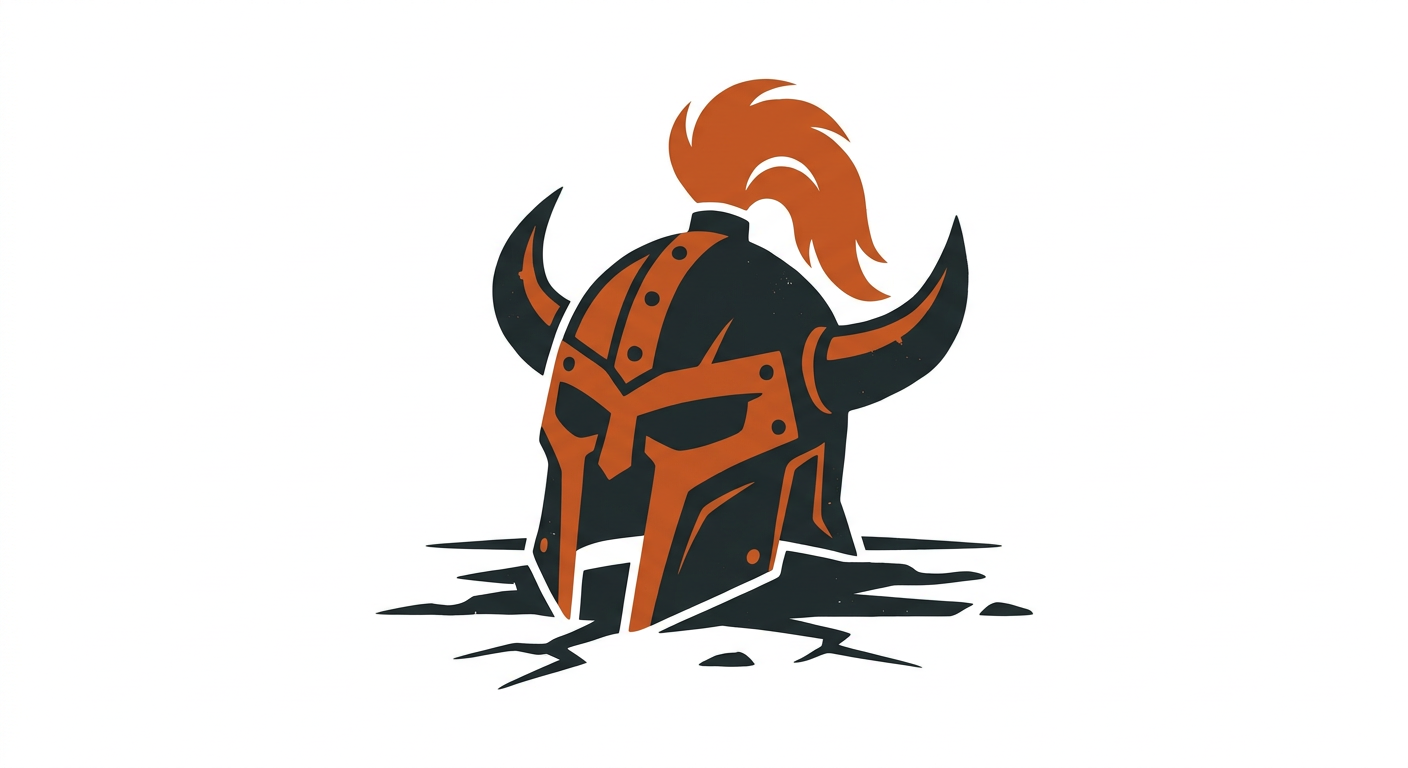
He used to be the boss fight. Now he is the level-one tagalong.
Someone who used to be the kind of antagonist a party gets hired to stop. He quit. Now he is the lowest-level member of a new group, trying to atone for a body count nobody has forgiven. A fearsome reputation bolted onto a first-level stat block is a gift, because the world keeps remembering him even when the dice do not.
The thread for your DM: his old crew wants him back or wants him dead, and the people he wronged are still out there. No DM alive can resist this one.
5. The Bureaucrat Adventurer
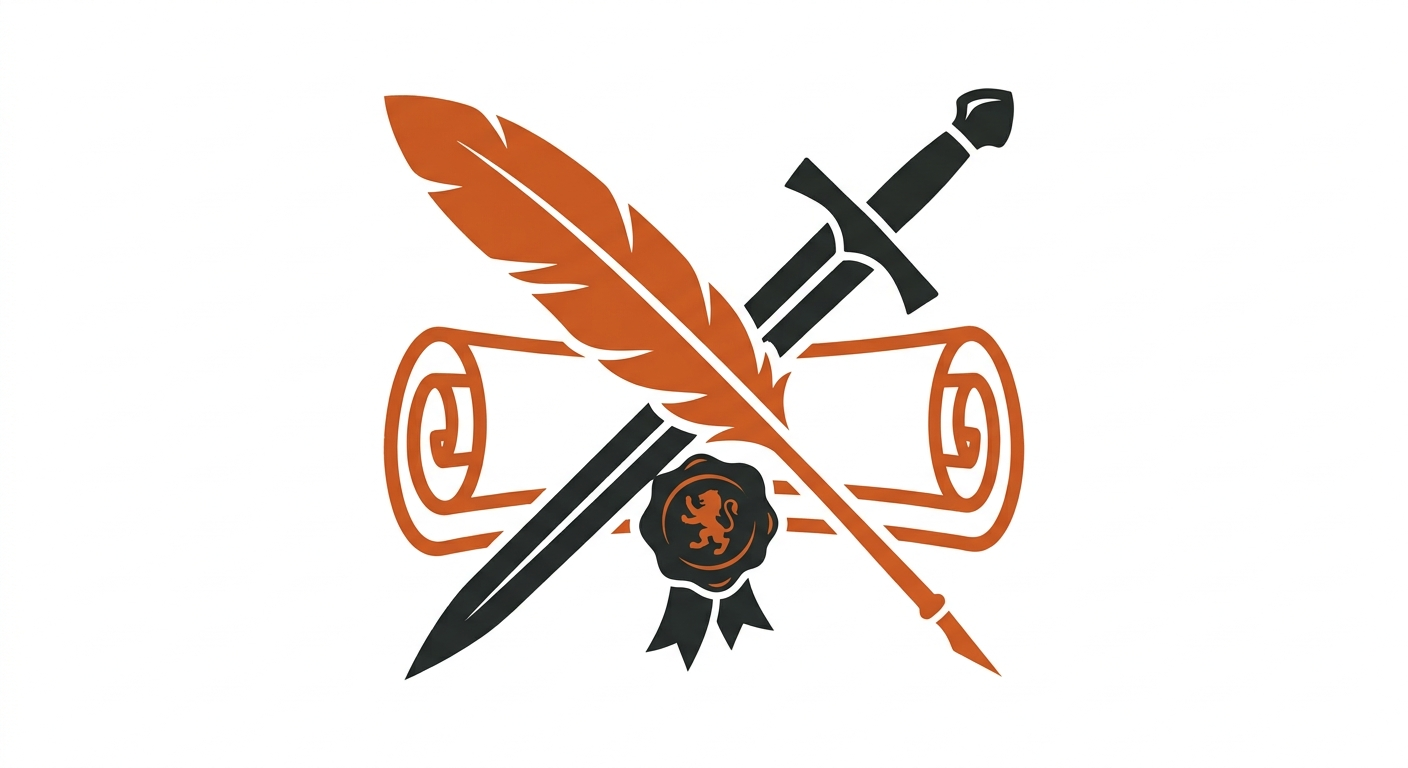
Treats a dungeon like a tax audit, and is annoyingly good at it.
A tax assessor, notary, or guild auditor who got pulled into the field and runs a dungeon like an inspection. He files reports. He itemizes the loot. He is, against all reason, weirdly competent at it. A paperwork brain dropped into the most chaotic job in the world is funnier and more useful than it has any right to be.
Play it as Knowledge or Order Cleric, or a Lore Bard, so you know things nobody else does. The thread for your DM: he was sent to audit the party's patron, and the books do not add up.
6. The Apprentice Whose Master Died
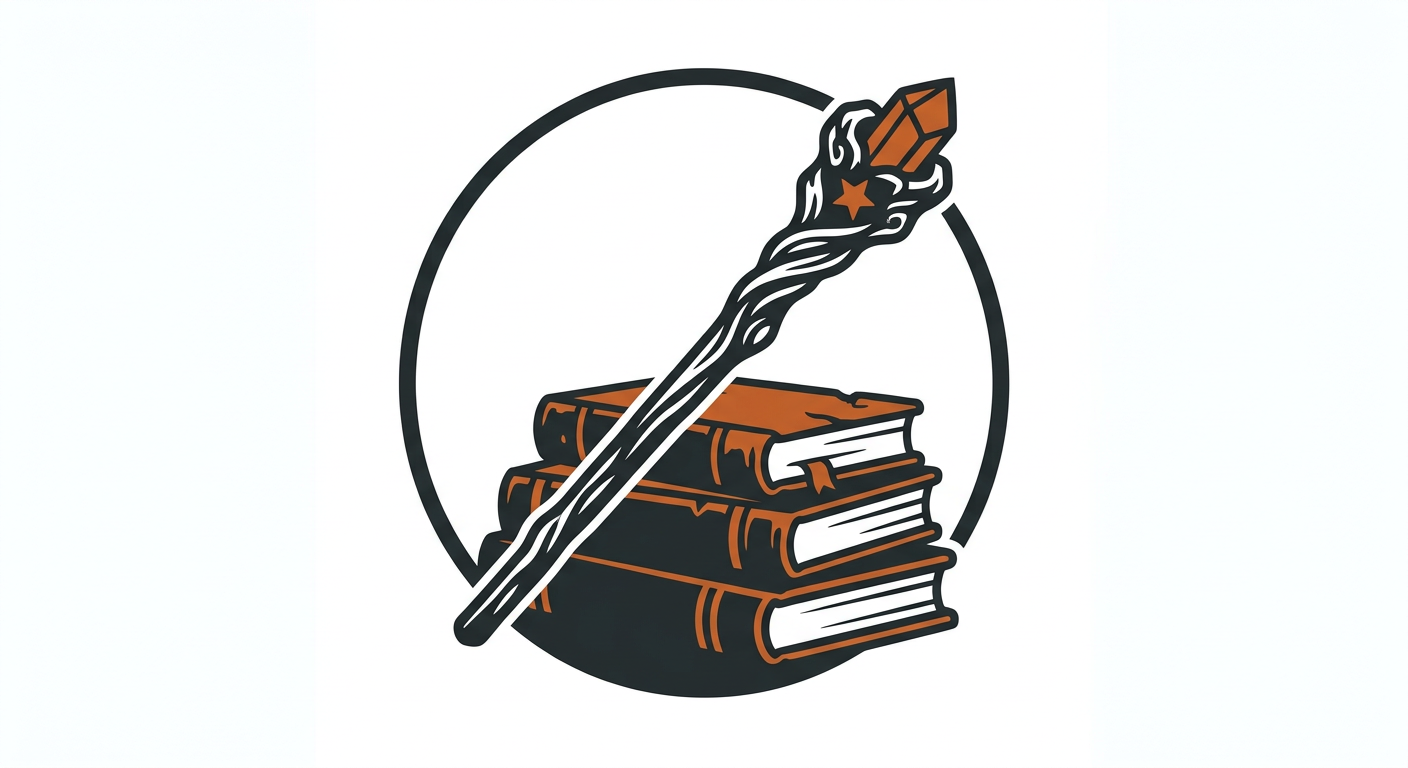
Finishing a journey she was never trained to finish.
A half-trained mage, smith, or scholar completing a journey her teacher started and did not survive. She is not ready. She cannot go back. Carrying a master's reputation with an apprentice's skills means every room is a test she might fail in front of people expecting the old name.
The thread for your DM: the master left an unfinished task, a half-kept promise, and at least one enemy who does not yet know the old teacher is gone.
7. The Hometown Hero

A legend back home. A complete nobody twenty miles out.
A genuine legend in his tiny village. The fastest, the strongest, the one the songs are about. A total unknown the moment he leaves. An ego built for a small pond, suddenly swimming the ocean, is a slow and satisfying thing to humble and then rebuild over a campaign.
The thread for your DM: news from home keeps finding him, and the people there still believe in a version of him that may never have been true.
Characters with a secret
A secret the party does not know is the slowest-burning hook in the game, and the most reliable. Tell your DM. Never tell the table.
8. The Borrowed Name
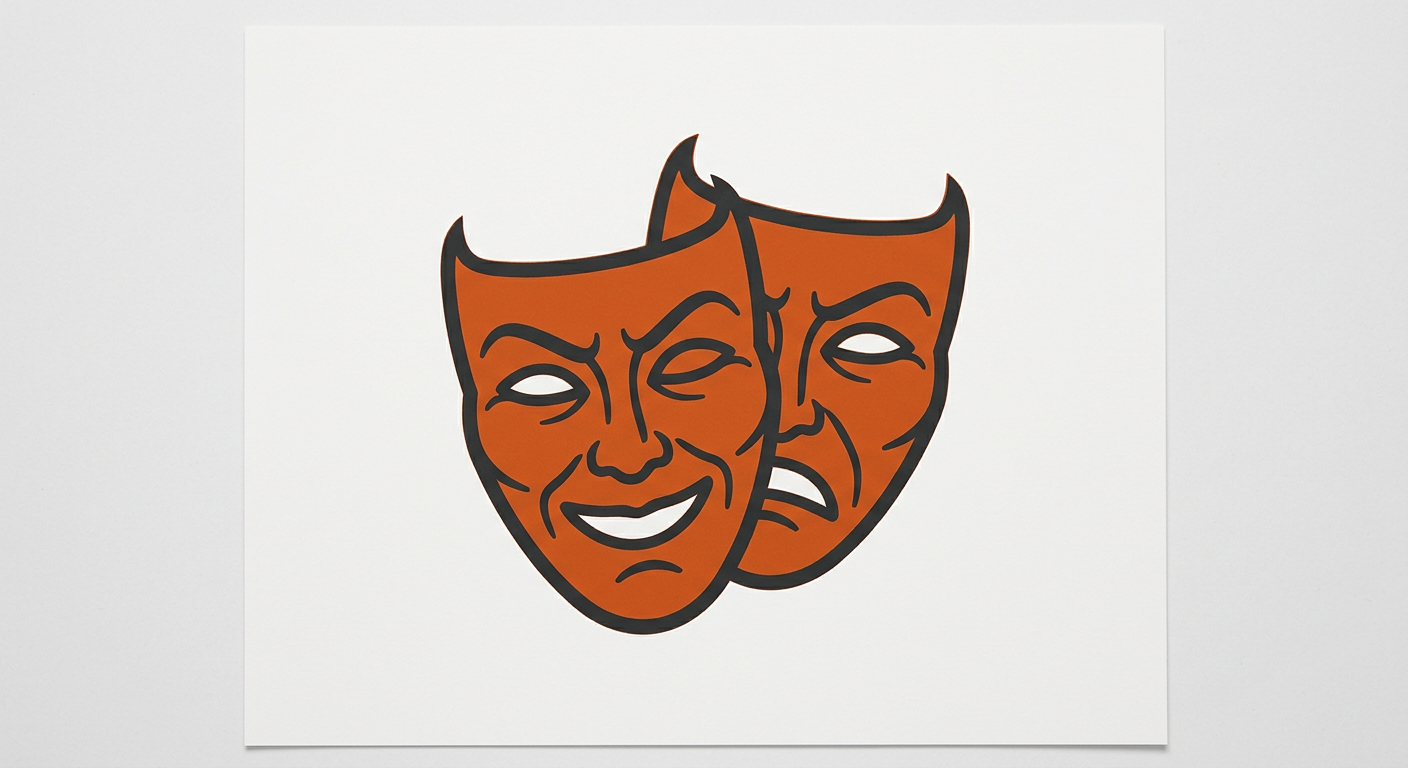
Every person who loves her loves someone who is not her.
She lives under the identity of a dead or missing twin. She took the name, the debts, the enemies, and the unfinished business, and she has been getting away with it. Every relationship she has is built on a person who is not her, which makes every act of affection a small betrayal she has learned to live with.
The thread for your DM: someone who knew the real twin is about to walk into the campaign.
9. The Construct Who Thinks They're Human

He remembers a childhood. The childhood never happened.
A warforged, a reincarnated soul, or a made thing who genuinely does not know what they are. He remembers growing up. Those memories are not real. It is pure dramatic irony, handed to the rest of the table to sit on while he keeps believing, and the session he finds out is one people quote for years.
The thread for your DM: the truth is buried somewhere in the campaign, and someone out there built him on purpose.
Funny D&D character ideas that still work at the table
A funny concept is not a one-note joke. It is a real person the comedy grows out of. These get the laughs and survive well past session two.
10. The Earnest Idiot

Not the punchline. The reason the party is still alive.
Genuinely kind, genuinely not very bright, and accidentally competent at the worst possible moments. He is the heart of the party, not the joke at the bottom of it. Everyone underestimates him, including the villains, and that keeps quietly turning into an advantage nobody planned for. Play the sincerity dead straight and the comedy writes itself.
Play it as high Charisma, low Intelligence sorcerer or paladin. The thread for your DM: his loyalty is absolute, which makes him the easiest character in the party to put in danger.
11. The Failed Chosen One

Raised to save the world. The prophecy picked someone else.
A prophesied hero whose prophecy quietly fizzled. The signs pointed somewhere else. Now he is an ordinary adventurer with a destiny-shaped hole in his resume, raised for greatness and learning to live as merely good. That is a far richer place to start a character than actually being the chosen one.
The thread for your DM: the real chosen one is out there, and they might be worse than the thing the prophecy warned about.
12. The Beastmaster's Sidekick
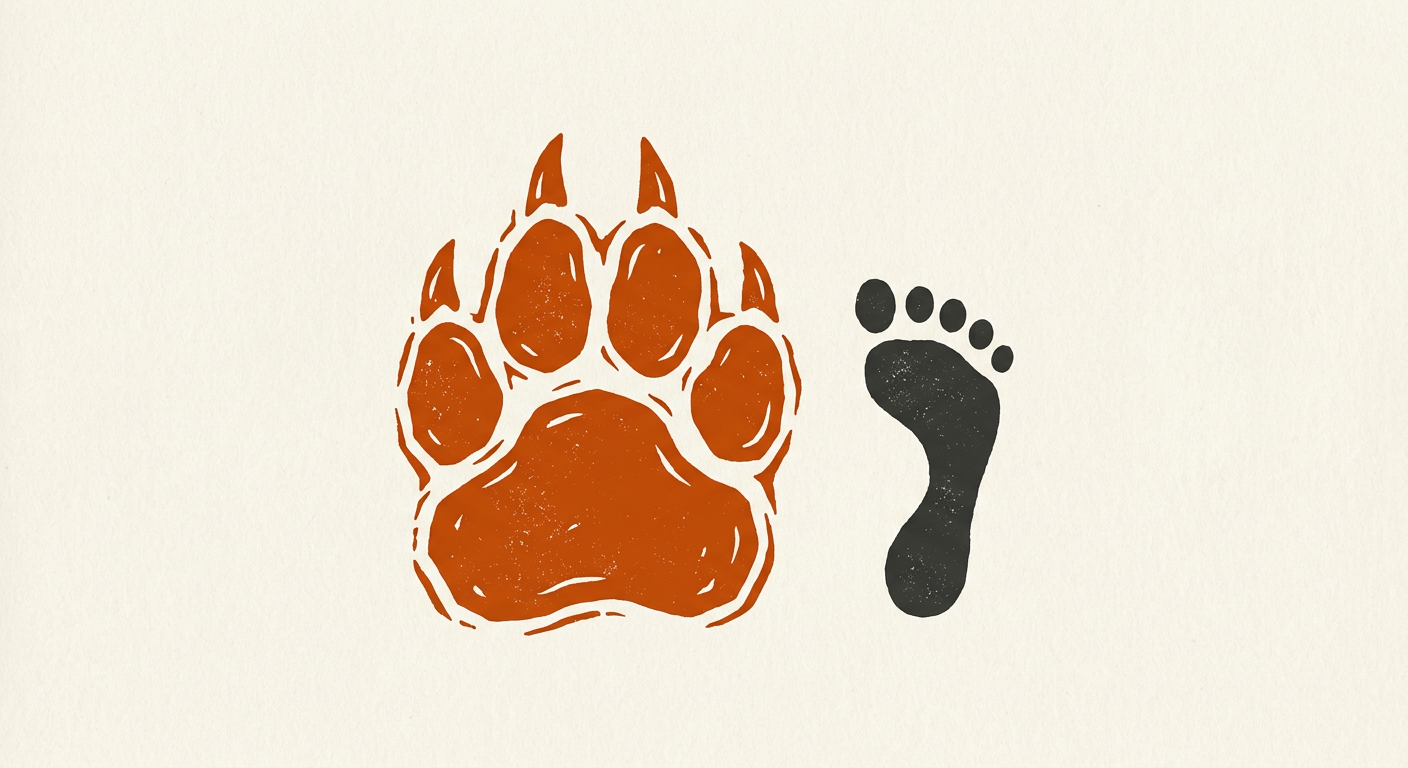
The animal is the talented one. Everybody knows it. Including the animal.
A ranger or druid who is, openly, the less competent half of the duo. The animal companion is the gifted one, everyone agrees, and the character has made peace with it. Mostly. He is the comic relief who also turns out to be the most emotionally honest person at the table.
The thread for your DM: the animal carries the plot relevance, and someone wants it.
8 more character sparks
Short on time? Here are eight one-line concepts with the tension already built in. Take one, give it a want and a hook, and pick the class last.
- The retired adventurer dragged back for one more job, loudly and correctly too old for this.
- The runaway noble who faked their own death to escape an arranged marriage and is quietly loving anonymity.
- The cult escapee hunted by the family they left behind, who still call it love.
- The terrible bard who is genuinely bad at music and brilliant at everything else, and will not admit the first part.
- The mercenary healer who took the job for gold and, against their own will, started to care.
- The summoned hero from another world who just wants to go home and mentions it constantly.
- The monster hunter who is, secretly, exactly the kind of monster they hunt.
- The dungeon orphan raised in the ruins the party now needs them to lead the way into.
How do you come up with your own D&D character idea?

Start with the person, never the build. That is the whole craft, and every concept above was made the same way.
A random generator can hand you "half-orc bard" in two seconds. What it cannot hand you is the want, the contradiction, or the reason your table cares, and that is the only part that matters once play starts. Here is the method I use. It takes about fifteen minutes.
- Pick a contradiction or an odd job. Two things that should not fit, or a life nobody thinks to play. The gentle barbarian, the auditor in a dungeon. The friction is the seed.
- Give them one specific want. Something the campaign can act on. To find someone, to undo something, to be believed. If the want is vague, the DM has no lever.
- Plant one hook. A person, a place, or a debt still out in the world. This is the door the campaign opens to reach your character.
- Pick the class last. Choose the mechanics that serve the person you already built. A strong concept survives a weak build. A flawless build with no concept is just arithmetic.
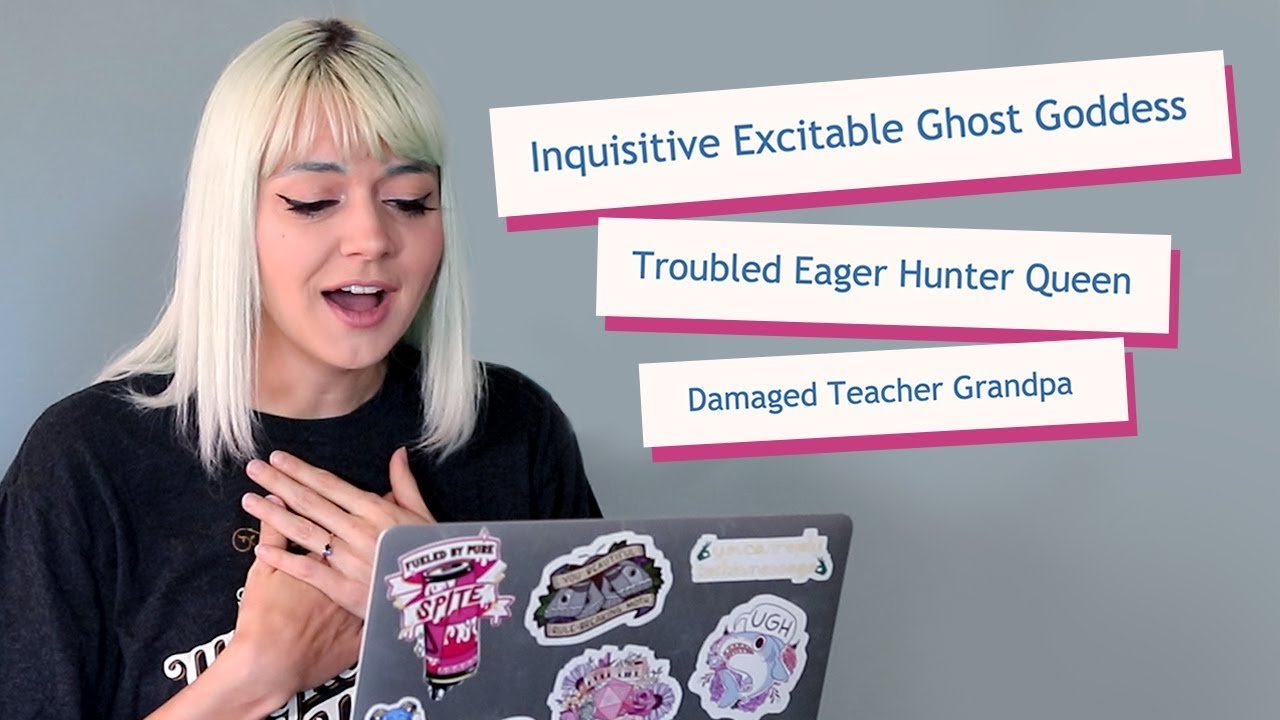
Once you have the concept, the rest of character creation gets easier. Set the ability scores your concept actually needs with our Point Buy Calculator, which handles point buy, standard array, and rolled stats for both the 2014 and 2024 rules. Then turn the idea into the one page your DM will use, with our full guide to writing a character backstory. Ginny Di walks through her own idea-generation process in the video below, and a couple of these tricks are worth stealing.
Character ideas that fall flat
I have watched enough concepts die at the table to know the patterns. Here are the five that hurt the game most.
The gimmick with no person. "A goblin who thinks he is a dragon" is a great first line and nothing else. If the joke is the entire character, it stops being funny around session three and there is nothing underneath it. Give every funny concept a real want.
The lone wolf. The mysterious loner who works alone, trusts no one, and broods in the corner of the tavern is the single most common way to ruin a party. D&D is a team game. A character built to refuse the team is a character built to drag every scene. If you want broody, give them a reason to stay.
The unplayable secret. A secret is great. A secret so big you can never act on it without exploding the campaign is a trap. Keep it the size your DM can actually detonate, not a bomb that ends the game the moment it goes off.
The build with no concept. A stack of perfect mechanics with nobody underneath plays like a spreadsheet. The numbers win fights. They do not win you a single scene anyone remembers afterward. Concept first, always.
The carbon copy. Playing your favorite show or film character beat for beat feels safe and lands flat, because everyone at the table already knows the ending. Borrow the shape, change the one thing that makes them predictable, and make them yours.
Where to find more character ideas
Stuck for a spark? The r/DnD and r/3d6 communities trade character concepts and builds every single day, and the comment threads are usually better than the original post. For a steady stream of player ideas worth stealing, MrRipper's channel collects hundreds of them straight from real tables. Take whatever sparks something, then run it through the three questions above so a fun idea turns into a character that lasts past the first session.
Which character idea is right for you?
The best concept on this page is the wrong one if it does not fit how you actually like to play. A few honest matches.
New players should keep it simple. A sturdy class and one clear trait. The earnest fighter, the curious cleric. Skip the elaborate accents and the triple secret on your first character. You can add depth once you know how the game feels from the inside.
Roleplay-first players should reach for the contradictions. The pacifist barbarian, the faithless cleric, the coward who shows up. These reward the player who wants to act, not just roll.
Optimizers who still want a person should start from the build they love and then ask the three questions. A hexblade can absolutely have a want and a secret. The math and the character are not enemies. Most players just stop at the math.
Tables that want a lighter tone should lean into the funny concepts with a heart under them. The earnest idiot, the failed chosen one, the beastmaster's sidekick. Comedy lasts when there is a real person generating it.
Whatever you pick, a character idea is only the beginning. The concept gets you to session one. What makes it land is bringing it to the table wired into the rest of the party. Lock the connections in at session zero, and use the Party Connection Generator to find the shared history, the old debt, or the quiet rivalry that ties your concept to everyone else's before the first die is rolled. A character the party is tangled up with is a character the campaign cannot ignore.
Pick a concept. Name the contradiction. Give it a want and a hook. Then go find out who they become.
Questions
Common questions
Free Tools
Helpful for This Topic
Point Buy Calculator
Picked your concept? Set its ability scores with point buy, standard array, or rolled stats, with live modifiers for the 2014 and 2024 rules.
Party Connection Generator
Wire your new character into the rest of the party before session one. Generate shared backstory ties in under a minute.
Session Zero Checklist Generator
Bring your concept to the table the right way. Lock in tone, safety tools, and house rules before session 1.
Drop the notebook
Try Saga20 for free
Record your session. We'll write the notes and build your wiki.
Get started freeNo card needed