Don't Cancel Your D&D Session Just Because One Player is Missing
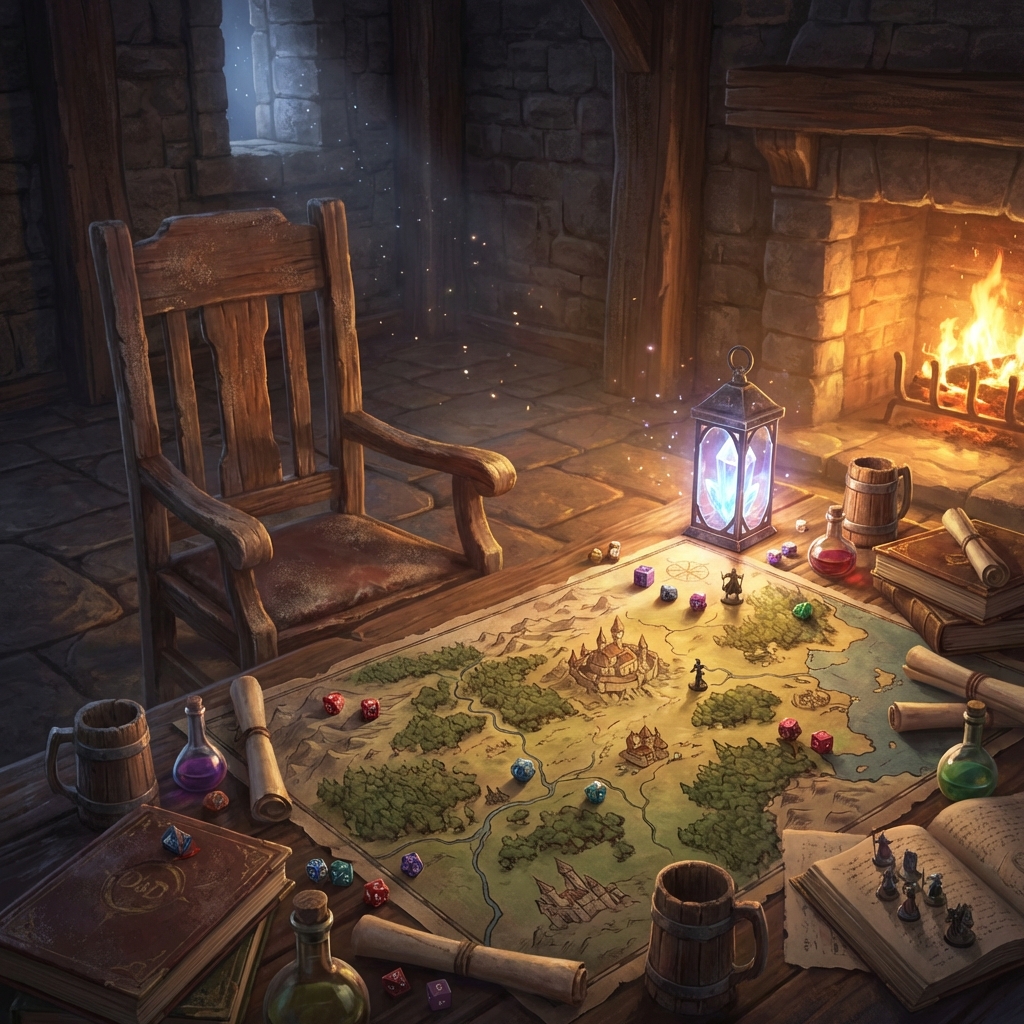
The "Scheduling Boss" is Undefeated
It starts with a vibration in your pocket. You ignore it. You are busy painting the final highlight on a beholder mini. The game starts in three hours.
Then the phone vibrates again. And again.
You wipe the paint from your thumb and check the chat.
"Hey guys, I am so sorry. My boss just dropped a pile of work on my desk. I am going to be stuck here until midnight. I can't make it tonight."
Your heart sinks. You have spent four hours prepping this dungeon. You bought the expensive snacks. You have a playlist called "Epic Boss Fight" queued up.
Then comes the death blow. The inevitable follow-up from the Paladin:
"Ah, that sucks. Should we just cancel this week so we don't leave him behind?"
Stop.
Do not type "Sure."
If you say yes, you are feeding the beast. You are yielding to the Scheduling Boss, a monster with a CR of 30 that has killed more campaigns than Tiamat.
Do not cancel.
If you require 100% attendance to play, you will play three times a year. Once you skip one week, it becomes easier to skip the next. The momentum dies. The story fades. Suddenly you are "on hiatus" indefinitely.
You need an Absent Player Protocol.
The Hard Rule: Play with N-1
My golden rule for every campaign is simple. It is the first thing I say in Session Zero:
"We play if we have at least 3 players."
If your group has five players, you play with four. If you have four players, you play with three. This is the N-1 Rule.
Make this clear before the first dice is ever rolled.
"Listen everyone. We are all adults. Life happens. But I respect the time of the people who can show up. So if one person is missing, the game is on. If two are missing, we play a board game. If three are missing, we cancel."
This shifts the psychology of the group. The game becomes a constant. It is happening with or without you. The train is leaving the station.
The 3 Ways to Handle the Missing Character
"But Mark! We are in the middle of a dungeon! What do we do with Gorgon the Barbarian?"
Do not overthink this. You have three options:
1. The "Jager Monster" (Do Not Do This)
Some groups try to run the missing character as a "bot." The players take turns rolling his attacks.
Why this fails:
- It slows down combat.
- It breaks immersion.
- Someone will get Gorgon killed.
2. The "Convenient Excuse" (Use Sparingly)
"Oh, Gorgon... fell down a hole." Or "Gorgon has a stomach ache."
Why this fails: It feels silly in a deep dungeon. It breaks the reality of the narrative.
3. "Fade to Background" (The Best Way)
This is the only method that preserves sanity. You simply say:
"Gorgon is guarding the rear."
For this session, the character is there in spirit, but not in mechanics. They exist in the quantum background. They do not fight. They do not take damage. They do not solve puzzles.
"Where is Gorgon?" "He is over there, dealing with that goblin."
Just handwave it. This allows you to focus entirely on the players who are present.
But What About The Plot?
"But this session was supposed to be about Gorgon finding his lost father!"
I understand. But you are the Dungeon Master. You control reality.
The "Quantum Ogre" of Time
If tonight was supposed to be the "Gorgon's Father" reveal, simply move it.
The door that led to his father's study? It is locked now. Or it leads to a generic library. Save the specific character content for next week.
Instead, pivot to a "Generic Problem":
- Ambush: The party gets attacked by a wandering monster.
- Puzzle: They find a side room with a trap.
- Survival: They get lost and narrate a travel montage.
The "Beach Episode"
If a key player is missing, use this as an excuse for a lower-stakes session.
"Okay guys, since Gorgon isn't here, let's explore this side cavern we passed earlier."
These sessions often end up being the most fun because the pressure is off.
The Fear Of Missing Out (FOMO)
Here is a secret that veteran DMs know: Reliable attendance goes UP when you stop canceling.
If players know you will cancel for them, they think: "I'm tired. I'll just flake. No big deal."
But if they know the game goes on without them, the equation changes.
They think: "If I don't go, they are going to find loot without me. They are going to level up. They are going to have inside jokes I won't understand."
This is FOMO. It is a powerful motivator.
However, we do not want to punish them by leaving them confused. You must catch them up.
The Lazy Way to Catch Up Absent Players
In the old days, I would write a 2,000-word email detailing everything that happened. It was exhausting.
This is where Saga20 became the most critical tool in my DM kit.
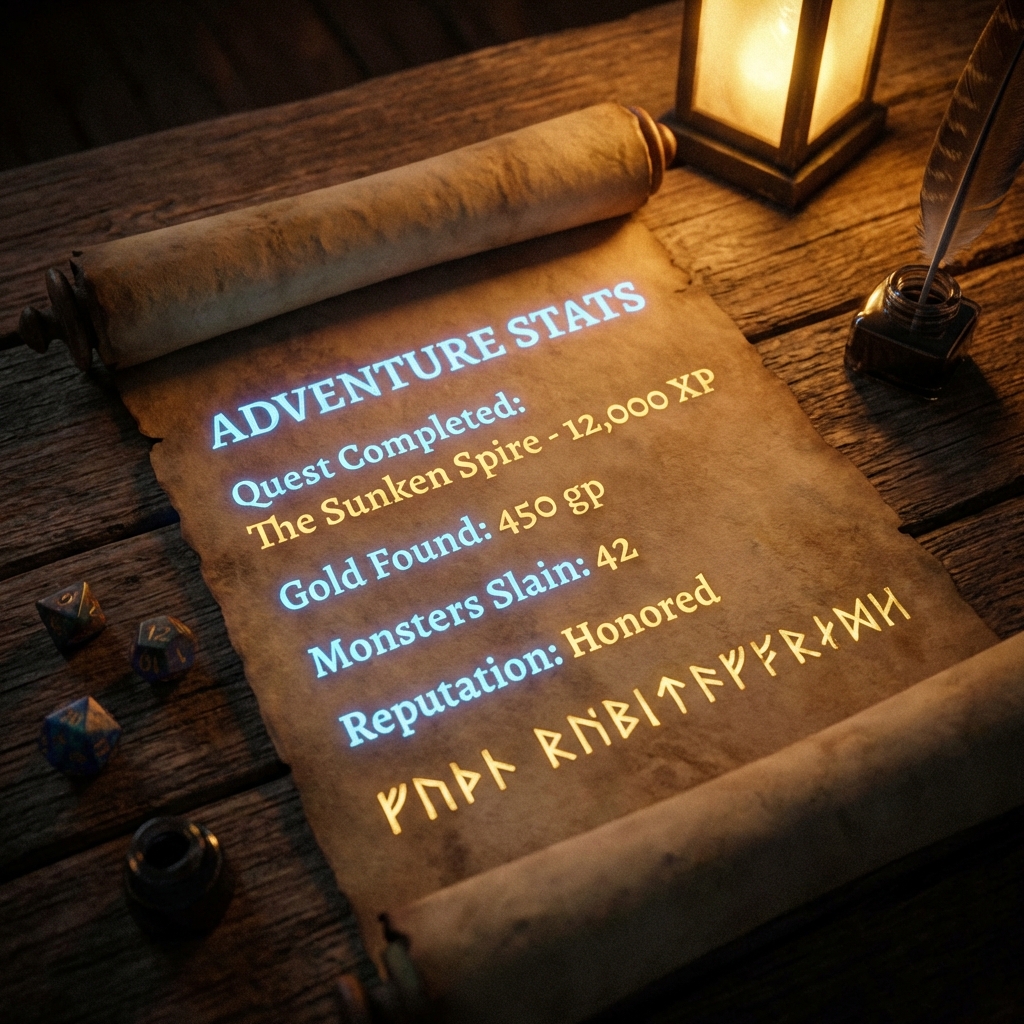
Automated Summaries
Since we record our sessions with the app, the process is passive.
- I hit record at the start.
- We play (without the missing player).
- The app listens, identifies speakers via Campaign Continuity, and writes the summary.
The next morning, the absent player gets an email. It gives them a structure:
- Key Event: The party negotiated with the Kobold King.
- Combat: They fought three Gelatinous Cubes.
- Loot: The Rogue found a Ring of Water Walking.
- Critical Fail: The Wizard accidentally set the bridge on fire.
The "Follow" Feature
Make sure all your players have Followed the Campaign on Saga20.
This ensures they get the summary automatically. It arrives in their inbox like a newsletter from their own personalized fantasy novel.
They read it on their lunch break. They feel a pang of FOMO. And they text the group: "Oh man! You got a ring? I'm definitely making it next week."
Handling Specific Roles
Sometimes the missing player plays a "vital" role.
The Absent Healer? The DM becomes a benevolent god of potions. "You find a crate with 5 healing potions." Problem solved.
The Absent Face? Force the socially awkward Barbarian to negotiate. Failure is hilarious. Lean into the chaos.
The Absent Tank? Change the terrain. Give the party choke points. Or simply lower the damage output of the monsters behind the screen.
The Missing Player Protocol
When that dreaded text comes in, follow this checklist:
| Action | Why it matters |
|---|---|
| 1. Confirm the Count | Do you have quorum (N-1)? If yes, confirm immediately: "We are still on!" |
| 2. Adjust Encounters | Remove 1-2 monsters. Reducing the "Action Economy" balances the missing PC. |
| 3. Pivot the Spotlight | Swap the character-specific plot for a generic dungeon crawl. |
| 4. Record the Session | Use Saga20. This is non-negotiable. The recording is the lifeline. |
| 5. Send the Link | Verify they are getting the auto-summary to trigger that FOMO. |
Conclusion
The only way to lose Dungeons & Dragons is to stop playing.
Consistency is the lifeblood of a campaign. A mediocre session played every week is better than a "perfect" session played once every three months.
Do not let one empty chair empty the whole table. Roll the dice. Tell the story. Let the absent player read about how epic it was the next day.
They won't miss the next one.
Enjoying the story?
Start recording your own D&D sessions today and never forget a moment.
Try for Free